Showing posts with label automotive emergency tips. Show all posts

Tuesday, December 13, 2011

The Long Haul - Caring For Your Vehicle

FIVE TIPS TO EXTEND THE LIFE OF YOUR VEHICLE

In these times we are all looking for ways to keep our cost down especially when it comes to our vehicles.  Periodic maintenance is key to prolonging the life of one’s vehicle and if properly maintained you can ride your vehicle well into the “golden years”

Follow these rules and you can keep your vehicle running in proper condition especially thru the harsh winter months.

Don't Neglect Service
You didn’t get a 100,000 miles by putting off those service visits, so don’t start now! Higher mileage   
vehicles need service more then ever.  Keep up with those oil changes as recommended in your manual,
every 3,000 to 5,000 miles.  Some vehicles can go longer.  Keep an eye other parts as well, particularly
brakes and tires.

Tend to Your Tires
Keeping your tires rotated, inflated and properly maintained is essential to the life of your car, whatever the mileage, and as your vehicle ages the way your tires wear may change too.  If your tires start to wear unevenly or if you feel the car shake, shimmy or pull to one side while you drive you probably have some balance or alignment issues to look into.   Properly inflated tires equals good fuel mileage and that means less work for an aging engine, too.  See that they’re inflated to the specs on the inside of the driver’s side door, and remember to prolong the life of your tires by rotating and balancing every other oil change.
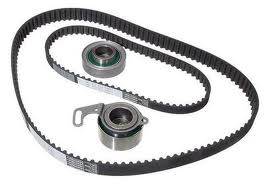

It’s All In the Timing
If your car has a timing belt, you’ll want to replace it at the recommended time (60,000 miles for many models—check your owners manual to be certain).  An aging belt can cause engine problems and a damaged one can leave you marooned—or worse, cause serious damage to your engine.


Lookin'' Sharp!                 
Finally, don’t neglect the looks of your car.  You’ll want to make sure you give the outside of your car as much TLC as you give to the moving parts under the surface.  Of course, this is about more than just looking good—washing and waxing don’t just preserve your shining finish, they help keep rust at bay and that is good for everything under the surface. Too

Follow these tips and talking with your service technician, you and  your car could have a brilliant future together.


Friday, November 11, 2011

Winter car care tips

Keeping everything in tune can mean the difference between a safe, smooth ride and a trip to the repair shop.

* Check Your Antifreeze/Coolant
Antifreeze helps control the temperature of a vehicle’s engine. Since it remains liquid and does not freeze in cold temperatures, antifreeze also helps protect the engine during extreme cold starts. Servicing your vehicle’s cooling system according to your vehicle manufacturer’s recommendations can help you avoid costly repairs down the line. Check your owners’ manual for how often it should be replaced.
* Watch the Wiper Blades
The normal life expectancy for most windshield wiper blades is six to 12 months. Check and clean the windshield wiper blades or replace them if necessary. Checking and replacing them as needed can improve visibility to help avoid a very dangerous situation on the road -- particularly in snowy and stormy conditions.


* Make Sure the Battery is Strong
A weak battery is less reliable and can take longer to start your car on cold mornings. In fact, a weak battery could lose about one third of its power or more in colder conditions (e.g. below 32 degrees Fahrenheit). Make sure that connections are tight and free of corrosion and have your battery tested to ensure it has ample power to withstand the cold. Start the car with the heater, lights and window defrosters turned off to minimize battery strain.

* In Case of Emergency
Maintain a vehicle emergency kit including a first aid kit, jumper cables, flashlight, bottled water, extra blankets, gloves and hat, granola/energy bars, duct tape, and a can of Fix-a-Flat. You never know when you will need these essentials.

* Clean the Engine Air Filter
The engine air filter is a vehicle’s lung. A clean air filter helps the engine combust an optimal air-to-fuel mixture, making it run more smoothly and efficiently. When your air filter is clogged, your engine has to work harder and therefore is not operating at peak performance. Check your vehicle owner’s manual to find out when it needs to be replaced.

* Pay Attention to Oil Grade
Motor oil lubricates the engine, keeping it cool and reducing the friction between moving parts. As motor oil circulates, it also cleans away harmful dirt and contaminants. In general, you should use the lightest grade of oil your vehicle’s manufacturer recommends for the conditions you drive in. During the winter, this may mean an even lighter grade than usual. Most vehicle owner’s manual specifies the correct grade of motor oil for your vehicle during certain driving conditions and seasons.

* Keep an Eye on Tire Pressure
Under-inflated tires create extra friction where the rubber meets the road. Improperly inflated tires also wear unevenly, which can impact your vehicle’s traction on the road and possibly lead to a dangerous blowout. Check your tire pressure regularly and make sure all of them are filled to the correct level -- and remember your spare tire, which can lose pressure in the cold.

Proper tire pressure is vehicle-specific. Tire pressure information for a vehicle is found on a decal typically in the vehicle’s door jamb or in the vehicle owner’s manual. Do not follow the pressure listed on the sidewall of the tire, as this number is specific to the tire, not the vehicle.